
Home / How We Work / Sustainability / Environment
Leaving a positive and lasting legacy
Reducing waste, reusing resources and managing environmental impact across live infrastructure environments.


A practical approach to waste, materials and environmental responsibility.
- Our approach
Enhancing local connectivity while protecting the environment
Environmental responsibility at Associated Asphalt is embedded in how we plan and deliver work day to day. We focus on reducing waste at source, recovering materials wherever possible and managing environmental risks effectively within live infrastructure environments.
From asphalt production and planings reuse to tar remediation and controlled waste handling, our approach supports sustainable construction while maintaining safety, quality and programme certainty.
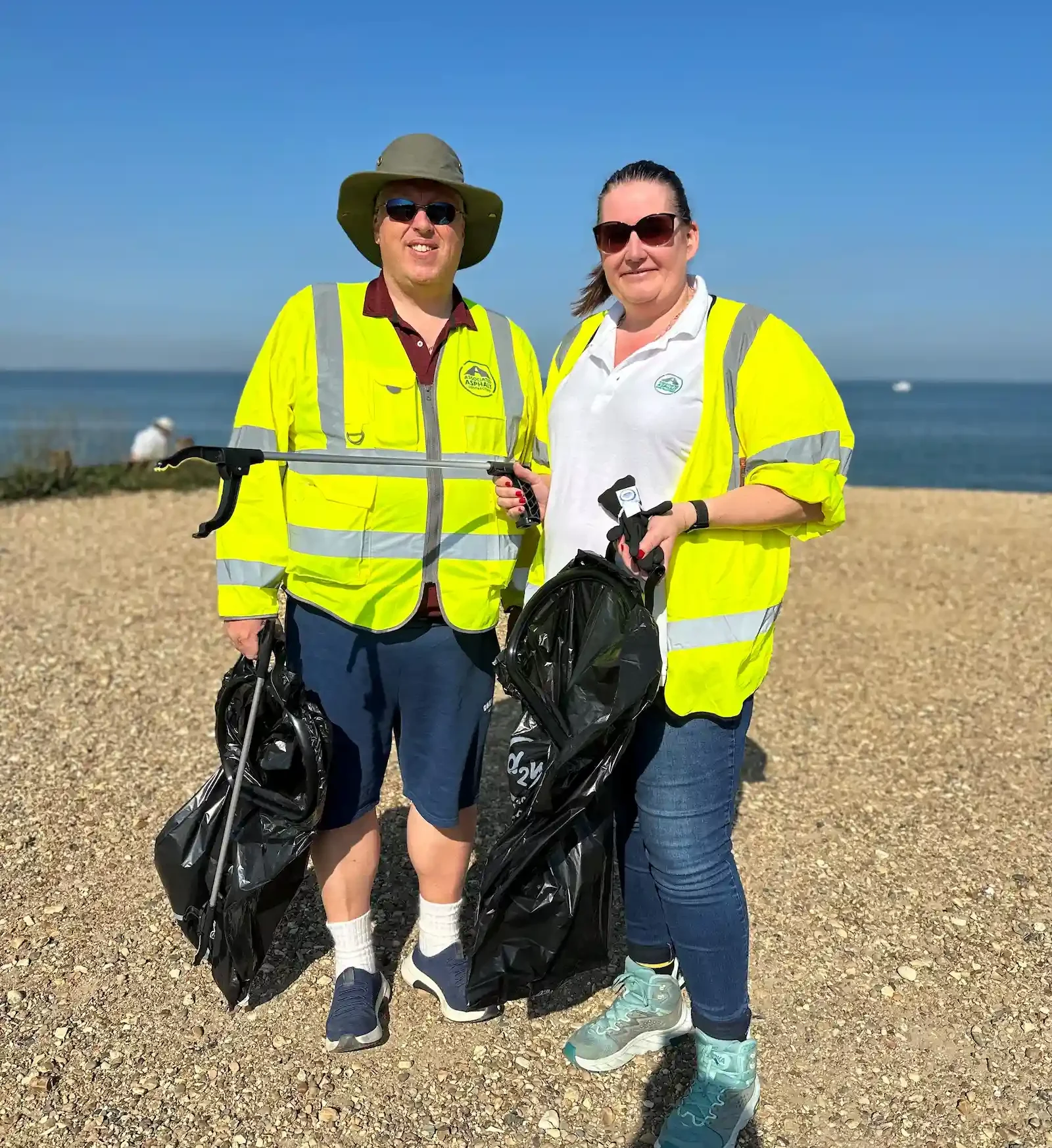
- Management in practice
Operational excellence and site impact
Environmental performance on our sites is driven by strong planning, supervision and disciplined execution, particularly where works are delivered in live, sensitive or constrained environments.

Materials control
Material use is planned carefully to reduce waste at source, supported by accurate forecasting, controlled batching and close coordination between site teams and asphalt plants.
Local sourcing
Wherever possible, materials are sourced locally to reduce transport movements, limit disruption around our sites and support regional supply chains.
Waste efficiency
Waste streams are segregated, tracked and managed to maximise reuse and recycling, with clear procedures to prevent contamination and unnecessary disposal.
Resource management and site control
Plant, fuel and utilities are managed efficiently, with environmental risks controlled in real time. Our teams plan around traffic, utilities and public access to protect people, places and the environment.
- Circular economy in practice
A strategic approach: avoid, substitute and improve
Waste and materials management underpins our sustainability approach, supporting circular economy principles and long-term performance across the built environment.
Recycled asphalt planings
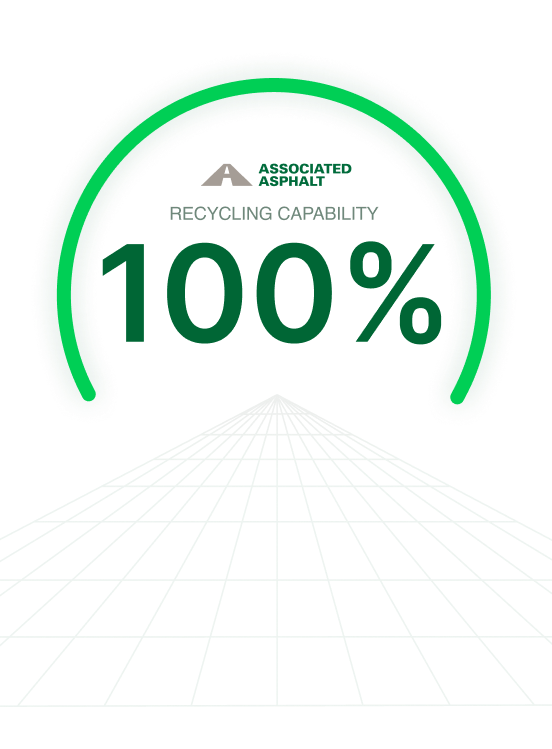
Planings are reused and recycled wherever specification allows, reducing reliance on virgin aggregates and supporting sustainable construction.
Tar remediation
Tar bound materials are treated using specialist remediation processes that remove hazardous components and recover clean aggregate for reuse.
Lower waste disposal
Our focus is on minimising landfill through recovery, treatment and reuse, supported by approved partners and controlled waste handling processes.
- Certifications and standards
Continuous improvement
Our environmental and social responsibility is supported by recognised management systems and continuous improvement against clear, measurable standards.

Active PPN 06/21 Plan
Active Monitoring via our verified Carbon Reduction Plan
ISO 14001
ISO 14001 Environmental Management
PAS 2080
PAS 2080 verified (Carbon Management)
- Tracking our impact
Environmental impact
Understanding our environmental impact helps us make better decisions across materials, waste management and delivery. By tracking performance year on year, we can identify where improvements matter most and focus our efforts where they deliver real, measurable change.
- Achieved an emissions intensity of 247.13 tonnes of CO₂e per £m turnover, reflecting progress in how emissions relate to business activity.
- Asphalt production accounts for 76.6% of our total footprint, helping focus reduction efforts where they will have the greatest impact.
- 12+ employees have completed specialist training to support informed, carbon conscious decision making across projects.
2024 total emissions (CO₂e)
Emissions intensity (tCO₂e per £m)
Asphalt share of emissions
Specialised trained employees
- Case studies
Our work in practice
A selection of case studies showing how our teams plan and deliver work across different sectors and environments.
Ready to discuss your next project?
If you’re looking for a practical, responsible civil engineering partner, we would welcome the conversation.